How to Grow Nutmeg
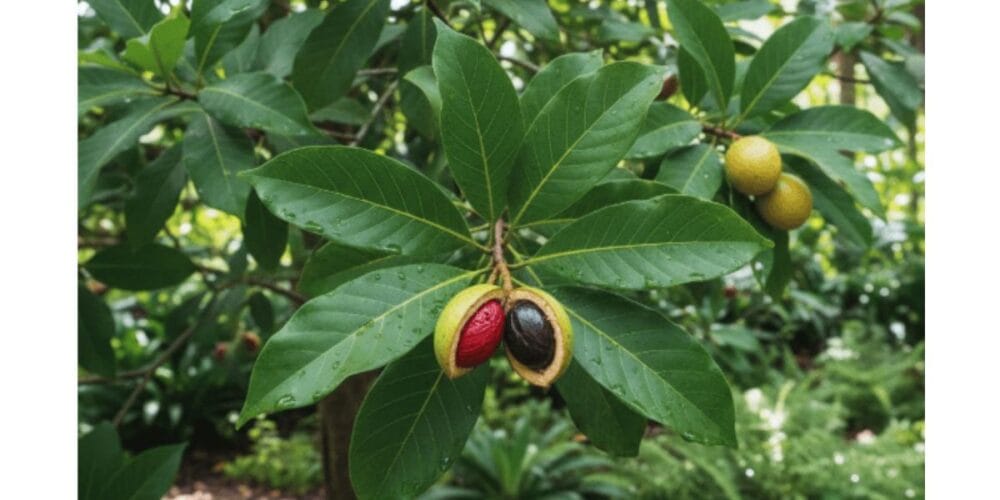
Nutmeg is one of the world’s most valuable spice crops, producing two commercial spices — nutmeg (seed) and mace (aril) — from the same fruit. It is a long-term perennial tree crop mainly grown in tropical regions like India, Indonesia, and Sri Lanka. With proper care and patience, nutmeg farming can be highly profitable and sustainable.
This complete guide explains climate, soil, planting, care, harvesting, and yield — everything you need to know to grow nutmeg successfully.
Introduction to Nutmeg Plant
Nutmeg (Myristica fragrans) is an evergreen tropical tree that can live for decades and produce spices for many years. The tree typically starts producing fruits after several years and reaches peak production later in life. Mature trees can produce around 1,500–2,000 fruits per year under good conditions. (gardenish.co)
Nutmeg thrives best in warm, humid climates with consistent moisture and shade during early growth.


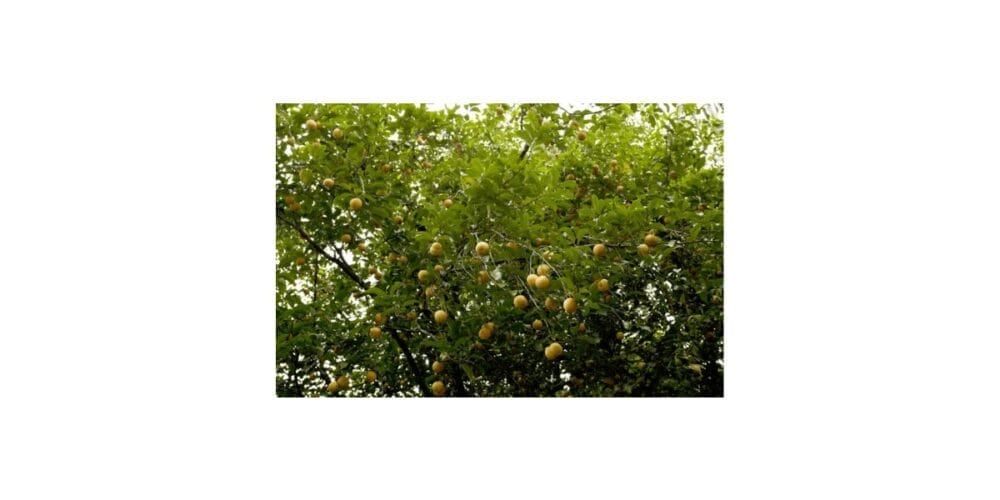
Climate Requirements for Nutmeg Cultivation
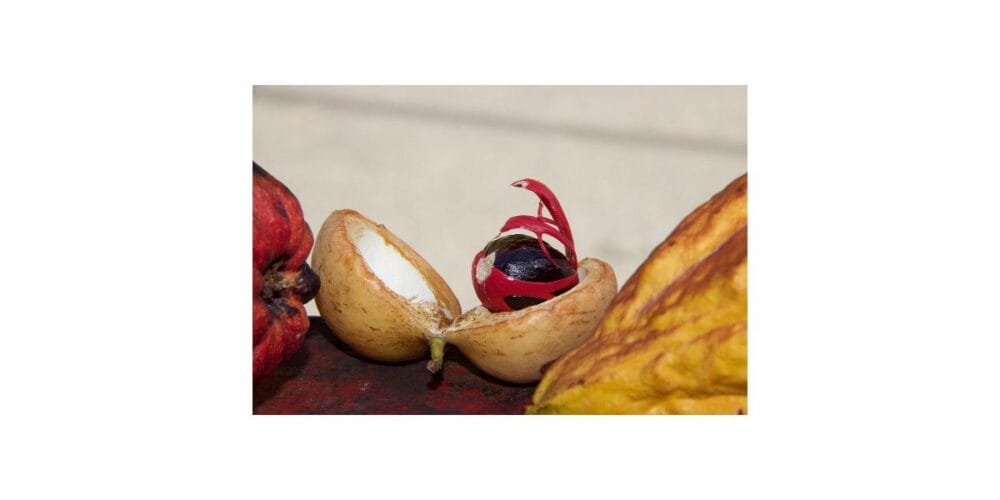
Nutmeg grows best in tropical climates.
Ideal Conditions
- Temperature: 20°C – 35°C
- Rainfall: 150–350 cm annually
- Humidity: High humidity required
- Altitude: Sea level to about 1300 m
Warm, humid environments with good rainfall support optimal growth, while dry climate and waterlogging both harm the crop.Nutmeg is also commonly grown in shaded conditions under coconut or arecanut plantations.
Soil Requirements
Nutmeg prefers fertile, well-drained soils rich in organic matter.
Best Soil Types
- Sandy loam
- Clay loam
- Red lateritic soil
Soil Conditions
- pH: 5.5 – 6.5 preferred
- Good drainage essential
- High organic matter improves yield
Waterlogging can damage roots, so proper drainage is critical.
Propagation Methods
1. Seed Propagation (Most Common)
Nutmeg is usually propagated using fresh seeds.
- Fresh seeds germinate in 4–6 weeks
- Seeds lose viability quickly if dried
- Seedlings kept under shade for 6–12 months
Fresh seeds should be sown immediately after collection for best results.
2. Vegetative Propagation (Advanced Method)
- Grafting
- Bud grafting
- Air layering
Grafted plants produce earlier and ensure female plants (fruit-bearing).
Nursery Raising
- Seeds sown in sand beds
- Germination occurs in 30–90 days
- 18–24 month seedlings used for field planting
Regular watering is essential during nursery stage.
Also Read: How to Grow Curry Leaf (Complete Growing Guide)
Land Preparation and Planting
Planting Season
Best planting time is during monsoon when soil moisture is high (June–December in India).
Pit Preparation
- Pit size: 60–90 cm cube
- Fill with topsoil + compost + organic manure
Spacing
- Standard spacing: 8 m × 8 m
- Grafted plants: 5 m × 5 m
Proper spacing ensures canopy development and air circulation.
Irrigation and Water Management
- Regular watering needed in dry season
- Soil should remain moist but not waterlogged
- Mulching helps retain soil moisture
Nutmeg trees have shallow roots, so moisture conservation is important.
Nutrient Management
Organic Manure
- Start with 10 kg compost per plant
- Increase to 50 kg per mature tree
Chemical Fertilizer (Example Recommendation)
- Young plants: Low dose NPK
- Mature trees: Higher NPK dose
Fertilizer is usually applied twice yearly — pre-monsoon and post-monsoon.
Shade Management
Young nutmeg plants need shade protection.
Permanent shade trees are often planted in plantations or nutmeg is grown under coconut orchards.
Pruning and Maintenance
Minimal pruning is required. Remove:
- Diseased branches
- Inward growing shoots
- Dead wood
Mulching and weed control improve plant health and yield.
Also Read: How to Grow Poppy Seeds: A Complete Beginner to Pro Guide
Pest and Disease Care
Common problems:
- Leaf spot
- Fruit rot
- Scale insects
Preventive spraying and field sanitation help control diseases.
Flowering and Fruiting
- Flowering begins after 5–8 years
- First harvest usually after 7–10 years
- Peak yield after 15+ years
Fruit develops in 6–9 months after flowering.
Harvesting Nutmeg

Nutmeg fruits are harvested when they split naturally.
Harvest Process
- Collect split fruits manually
- Separate mace from seed
- Dry mace and nutmeg separately
Nutmeg seeds are dried for 6–8 weeks to develop aroma and storage quality.
Yield Potential
Under good management:
- 1000–2000 fruits per tree annually
- 3–8 kg nutmeg per tree
- 0.5–1.5 kg mace per tree
Commercial yield can reach 500–1500 kg nutmeg per hectare.
Also Read: How to Grow Saffron: The World’s Most Valuable Spice
Tips for Successful Nutmeg Farming
Plant during monsoon
Use organic manure regularly
Provide shade during early growth
Maintain proper drainage
Use grafted plants for early yield
Mulch soil to conserve moisture
Final Thoughts
Nutmeg is a high-value spice crop suitable for tropical farmers willing to invest time and care. Though it takes several years to start yielding, the long productive life of the tree makes it a profitable plantation crop. With proper climate, soil management, and nutrient supply, nutmeg farming can provide stable income for decades.